

Feed items
How to Assume a Car Lease (And Pocket Some Cash)
Taking over a car lease can be a great way to get your next car. While there are many advantages, however, there are some things to watch for. We’ll cover how to take over a lease, some resources to help you out, and the pros and cons of taking over a car lease.
You may be weighing the pros and cons of buying or leasing a car. The good news is that you now have a new resource if you’re leaning toward leasing. Many people are actually finding their ideal vehicles by taking over someone else’s existing lease.
This option can be extremely flexible and affordable under certain circumstances. There are several new websites that make the process of taking over a lease easier than ever. We look at those sites, along with the pros and cons of assuming a lease.
How to Buy Long Term Care Insurance
In the past, we’ve talked about the high cost of elder care. Now, I wanted to spend a bit of time talking about long term care (LTC) insurance.
In general terms, LTC coverage applies to individuals who are not actually sick, but are not able to perform the basic “activities of daily living.” These include things like bathing, using the bathroom, dressing, eating, or transferring yourself in/out of a bed or chair.
In most cases, coverage is also available for those with a cognitive impairment. This could include:
- memory loss (short- or long-term)
- loss of orientation as to people (who they or others are), places, or time
- reduced capacity for deductive or abstract reasoning
If the impairment is bad enough that it requires supervision to ensure safety, most LTC policies will kick in.
6 Easy Steps to Gain Control of Your Money
Getting help with your finances can be overwhelming. Before seeking help from others, here are 6 ways you can gain control of your money on your own.
It’s no secret that many Americans are worried about money. Some of us are worried about how we’re going to pay bills due next week. Others are concerned about our long-term financial future. Here are just a few sobering statistics from recent studies:
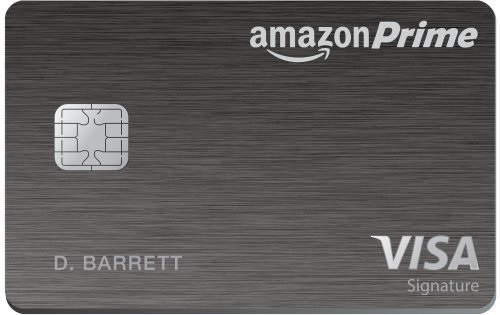
Amazon Prime Rewards Visa Signature Card Review – 5% Cash Back at Amazon
Editor’s Note: Thank you for your interest, any offer(s) below might be expired and no longer available.
Today we review the Amazon Prime Rewards Visa Signature Card. For those who frequently buy from Amazon, it’s hands down the best rewards card available. As you’ll see, you can earn up to 5% cash back with no annual fee.
Every month I spend a few minutes reviewing the monthly credit card purchases my wife and I make. Seventy-five percent of that time is invested in looking at our Amazon transactions. It seems like we have a couple Amazon boxes delivered to us by our postal carrier every day. By the end of the month, we’ve accumulated a few pages’ worth of Amazon statements.
Luckily for us, Chase has launched a new credit card specifically designed for people like me–those addicted to online Amazon shopping.
5 Ways to Build Credit Without a Credit Card
Building good credit has many benefits. It helps you get low rate loans and approved for an apartment rental, just to name two. It can be a challenge, though, to build credit without a credit card. Here are five ways to do it.
Americans’ credit scores are on the rise. Not everyone is necessarily cheering this news. In fact, this news might make you a little bit nervous if you’re afraid your score isn’t keeping up.
The advice you’re undoubtedly getting from friends and financial blogs is that a credit card is the fastest way to build up your credit. What if you don’t have a credit card? You might be thinking that you’re out of luck when it comes to building your credit if you don’t have any plastic in your wallet.
How to Find the Best Car Insurance for Teens
Adding a teenager to a car insurance policy is costly. If done correctly, however, there are ways to reduce those costs. Here are 5 ways to find the best car insurance for teens.
Having a teen who can drive is a big adjustment. There’s helping them learn to drive and the worrying when they are on the road. And then there’s the rise in auto insurance rates, which you’ll notice immediately.
It’s no secret that teen drivers are pricey to insure. Research from AAA shows that teen drivers are three times more likely than adults to be involved in a fatal crash. Insurance companies know that teens are riskier to insure than older drivers.
The good news is that there are some steps you can take to keep rates under control.
The Pros and Cons of Investing in Peer-to-Peer Loans
Peer-to-peer (P2P) investing offers the potential for high returns. With those higher returns, however, comes higher risk. Here we cover the pros and cons of investing in peer-to-peer loans.
P2P investing has been growing in popularity in recent years. Some estimate that the market will near $900 billion by 2024. But should you join the party?
You might want to consider it, once you understand the benefits and drawbacks of investing in these types of loans. Here’s a rundown of exactly what to expect and what you should keep in mind before investing.
The Benefits of Investing in Peer-to-Peer Loans
Investing in P2P loans can be a great opportunity for you and your money. Here’s why:
What is the Best First Credit Card for Young People
Picking your first credit card can be a challenge. You want a card with great rates and features, and one you can actually get. Here are some options for finding the best first credit card.
When you’re just starting out without much credit history, finding the right credit card can be tough. Limited credit can limit your options. If you have credit, companies may be flooding you with flashy mail offers for credit cards.
Either way, we’ve sorted through the options on the market today to figure out which is the best first credit card for young people. But before we give you our picks, let’s talk about some general credit card advice.
Types of Cards
It pays to know some basic credit card terminology. If you have at least a small credit history, you may qualify for a regular credit card, albeit likely one with a low limit. But if you have no credit history at all, you may need to opt for a secured credit card.
How to Save Money on Homeowners Insurance
Homeowners insurance is a necessity for those who own a home. It’s also required by mortgage companies. Here are some practical ways to save money on homeowners insurance.
We’ve written in the past about how to save money on health insurance, life insurance, and car insurance.
Today, I’m going to round things out with an article about saving money on your homeowner’s insurance. If you have a mortgage, this is likely a mandatory expense, as your lender will require it. If you own your home outright, it’s simply a smart one.
What Happens to My Debt if I Die
Debt is a challenge to many in this life. But what happens to your debt when you die? The answer depends on a number of factors, including where you live, the type of debt, and whether a debt is secured.
Nobody likes the idea of leaving their loved ones saddled with debt when they pass away. You may wonder if your heirs will be stuck with your bills when you’re gone.
The simple answer is that laws prevent debt collectors, creditors, and other entities from trying to collect money from your relatives once you’ve passed away. Your retirement accounts and life insurance payouts are typically off the table for covering your debts, as well. Whatever is in your estate, however, is technically up for grabs if creditors want to try to collect your debts. They can make claims on the money and assets you’ve left behind.


Facebook
Become a fan
Twitter
Follow us
RSS
Subscribe