

Money Tips Network
The Digerati Life
Personal Finance Tips From A Silicon Valley Blogger
Squawkfox
Where personal finance & frugal living are sexy, delicious, and fun.
Generation X Finance
Helping a unique generation achieve financial independence.
Five Cent Nickel
personal finance tips, tricks, and commentary
Free Money Finance
Grow your net worth.
Bargaineering
Bargaineering is a blog that chronicles my personal finance life and where I discuss matters of shopping, insurance, investing, retirement, loans, credit cards, mortgages, bargain hunting and other issues in mylife.
How to Trim Fat From the Family Budget
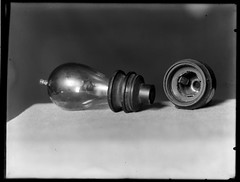
Small changes have reduced electrical charges in my home. On a year-over-year basis, we have used 20 percent less electricity due to two minor adjustments. We have switched most of the light bulbs to compact florescent bulbs (CFLs), an energy-saving option. Additionally, during the day and vacations, we turn off the water heater, a move that generates cool savings.
(photo by Yael Rosenberg)
Currency Exchange & Other Tricks to Save More Money
Currency exchange is a thrifty tool in my home. To save money, my 11-year-old daughter has swapped five single dollars for a five-dollar-bill and has traded up for even larger denominations. She uses the larger bills to preserve capital.
“When I see smaller bills, I think I have more money to spend,” my daughter said, adding that it’s tempting to buy treats with single dollars. “I’m not going to buy a chocolate bar with a $20 bill.”
It’s a numbers game that we all play with our budgets and wallets. In fact, banks, financial planners and marketing gurus have launched a variety of programs built on different savings techniques. Here are a few of my favorite money-saving tricks.
Rosh HaShannah: New Year Greetings From an Ironing Board
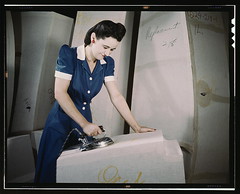
We can iron out past wrinkles in money, relationships and clothing. That's what I learned as I ironed clothing for Rosh HaShannah, the New Year on the Hebrew calendar.
Even if you don't celebrate the holiday, September is still a time of beginnings and renewal, including a new school year, a post-Labor Day cycle on Wall Street and changes in leaf colors.
Long before I converted to Judaism, I always felt a shift in September. Here's what I learned while ironing garments this September.
1. Restoration: Wrinkles can be removed from shirts, relationships and money. The process requires time, tools and enough heat.
Kiplinger.com: 7 Lessons From the Financial Meltdown
In this guest post, Kiplinger.com offers 7 Lessons from the Meltdown, including:
"1) Where's the money? You'd better know—literally. The reported $50-billion swindle orchestrated by Bernard Madoff and other fleece jobs should put to rest the notion that you can get rich from unpublicized investment opportunities unavailable to mere mortals. If you give any adviser discretion to buy and sell investments without your prior go-ahead, you must demand to know where your money sleeps.
Cheap Cleanup: Washing the Stove & Tiles With Vinegar
You don't have to spend a lot for eco-friendly household and personal care products. I use vinegar and water to sanitize my home without the expense or waste of harsher chemicals. Beyond toss salads, I use white vinegar for the following cleaning duties:
Finding My Money Leaks: The August Report
Yup. I could have saved more and spent less in August. As promised, I paid careful attention to my spending, saving and consuming habits in August. We all have money leaks. Here are my downfalls & solutions:
Poll: Saving $50 Beats Diets, Love & Time
If you had a choice between saving an extra $50 a week or gaining an extra hour daily, what would you do? I vote for the extra hour, (seven hours a week). But more money beat out diet, time and sex, according to this recent survey from allyou.com/Shortcuts.com. Here is a snippet from the full survey results:
- Over half (57%) of those surveyed would rather save $50 an extra week
- vs. 31 % who would rather lose one clothing size
- or 6% who would opt for more sex
- or 6 % who would rather have an extra 60 minutes each day.
The Real Bonus
Cut Your Beverage Tab at Bars, Restaurants & Resorts
It's possible to spend less for drinks at bars, restaurants and resorts. Here's my list of do-it-mostly-yourself drink recipes.
- Spiked & flavored coffees: At bars, restaurants and resorts you can save a lot by ordering plain American coffee and a shot of Baileys Irish cream liqueur or other liqueurs. One shot of liqueur is good for spiking several rounds of coffee, especially if the establishment offers bottomless cups of coffee. Final ingredient: Tip the waiter or bartender generously.
How to Find Cheap Food at Airports
Stormy weather delayed my flight plans and prompted me to spend over 10 hours traveling through three airports. My growling stomach felt like extra baggage as I tried to find a frugal meal plan. I fed my appetite without starving my wallet with the following steps:
•Find a drugstore. Many airports have vast shopping malls, which include national or regional drugstore chains, where prices are competitive. At a chain drug store in Pittsburgh International Airport, snacks and beverages were cheaper than comparable items at other shops in the airport mall. For instance, a package of two large peanut butter cookies was 79 cents, compared to prices of $1.50 to $3 per cookie at other vendors in the food court area. Yogurt, iced cappuccino, crackers, nuts and other food items were also good bargains at the drugstore.
Fixing the Ferret: Lessons From a Faulty Toy
My daughter fixed her ferret with a foot of fishing string. As such, our story about a defective toy has a happy ending. Our quick repair taught us valuable lessons. Here's what we have learned:
- Hit the return button. Why didn't we return the broken toy, asked one reader after reading the original story: Cheated By a Ferret: One Child's Lesson. We have several reasons: 1) We lost the receipt; 2) we trashed the original packaging, and 3) most importantly, we were too annoyed to think of the obvious. Anger can be counter-productive. Anger can be expensive. The faulty ferret should have been returned for cash or store credit.
How To Give School Lunches Good Grades
The school year is new, but early grades for brown bag lunches have not been promising in my home. For example, servings of leftover lasagna recently failed the lunchroom test. The pasta tasted great, but looked unappealing in a small sandwich bag, the kids said.
It's a challenge to assemble lunches that are nutritious, tasty and frugal. Aria Kagen, co-owner D'lish, a private chef company, offers these tips:
— Be a cookie-cutter. Update boring sandwiches with interesting shapes. Kagen uses cookie cutters to style sandwiches in to unusual shapes. Even tuna fish or peanut butter can appear exciting when shaped into hearts or stars.
What Airports, Hotels & Places Offer Free Wi-Fi?
I am trying to fly home to South Florida from Pittsburgh. My flight is delayed due to weather in Atlanta, where I have a connecting flight. But Pittsburgh International Airport has free Wi-Fi, which is making this long delay productive.
Free Wi-Fi is important, and if I have a choice between two airports in a region, I will book the cheapest flights in airports with free Wi-Fi. I am assembling a list: Which airports, hotels, cafes and stores have free Wi-Fi? Please leave a comment, with your travel experiences.
I will also make constant updates.
Aiports:
Pittsburgh International Airport (If you have to be stuck in an airport, this one is great!)
Fort Lauderdale-Hollywood International Airport
Hotels:
Kiplinger.com: 10 Things to Avoid Buying for College Students
When I was a college freshmen, I wanted to buy every item listed on the school shopping list. But there is no need for parents or students to snap up every item on the shopping list, according to Kiplinger.com’s list of "10 Things College Students Don’t Need." Here's a sample from that list:
"1. New Textbooks. To avoid paying unfathomable new-book prices, see whether your university offers a rental program — or rent from a Web site such as Chegg.com, where you can save up to 85%. Order the book for a one-time fee—for example, about $60 plus shipping for a $180 calculus book—keep it for a semester, then return it with free shipping, or you could buy it. Or, head to the used-book lot. For example, BigWords.com searches the Web for the best prices on used textbooks.
Shopping Alarms About Kids & Money: A Grocery Store Lesson
An alarm went off when my friend Yael recently paid for her groceries. It was a basic transaction. She paid for the food with a debit card and requested cash back.
However, when her pre-school son watched the exchange of plastic for food and cash, a siren sounded. "Mommy," he shouted. "You won a prize." Alarmed, Yael decided it was time to teach him more about money.
Nationwide, other parents are finding gaps in their children's financial education. For instance, according to a recent T. Rowe Price survey, nearly 60 percent of parents feel as if they should be doing more to school their children about finances. Here are a few lesson plans:







Facebook
Become a fan
Twitter
Follow us
RSS
Subscribe