



When it comes to investments, the most popular asset classes are stocks, bonds, and real estate. However, in the recent economic turmoil many people are looking for alternative investments to maintain the value of their assets. Here are three long term "investments" that you could enjoy while you wait for price appreciation.
In general, the world of art collecting is volatile and people's tastes change over time so it is hard to nail down what would appreciate. Also, most of us do not have thousands to millions of dollars to spend on art. So the best way to collect art is really to just buy the pieces you enjoy and could afford. There is no point in buying an abstract painting you do not care for just because it is by some famous dead artist. There are tons of galleries showcasing contemporary artists who sell their pieces at very reasonable prices. If you are looking for appreciation then it makes much more sense to buy the art before an artist becomes too famous.
Another way to invest in art is to find out what the tastes of the collectors are. For example, A particularly "hot" area of art is Asian art right now since the wealth of China and India ballooned in the recent years. Even in the economic downturn, top auction houses are getting bids over their estimates for Asian art. After all, the monetary value of art is fairly subjective, so if you really want to collect art as an investment then you need to follow the money. Otherwise it is best to just buy the pieces that make you happy.

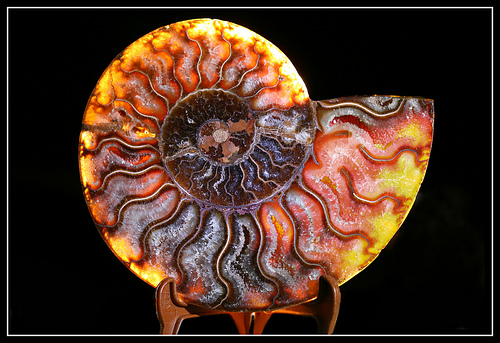
When I was a kid I collected fossils and minerals. My favorite piece was a small fossil fish that my mom bought for me for around $6. Apparently a similar speciment is worth 6 or 7 times more now because fossil collecting is gaining popularity all around the world. The price appreciation on that particular fossil has been more than twice of inflation. There are professional fossil hunters that search for rare speciments in exotic places like the Arctic and museum quality pieces could be worth millions. Fossils are fairly low maintenance compared to art and they are becoming more rare as more collection sites are becoming protected. Each fossil is also guaranteed to be unique, so that makes the collecting more fun.
I learned quite a bit about collectible books when I was selling used books. With the rise of digital media, I think real books will become more scarce and collectible as time passes. Although digital books are convenient, I find it more pleasurable to read and touch a tangible book. It is possible to collect quality books on a small budget. One famous example is that of Michael Hurley a postal worker who never made more than $25,000 a year that amassed a collection worth over $300,000 in 1984. Currently you are still able to find many first edition 20th to 21th century books at very affordable prices. Some of these can even be found at garage sales if you look hard enough. One book I recommend for beginner book collectors is definitely Book Finds: How to Find, Buy, and Sell Used and Rare Books by Ian C. Ellis (affiliate link).
Each of these "investments" require a lot of study and research just like any stock or piece of real estate if your intent is to make any money. Just like the more mainstream investments, there are scams and duds so you should start small. Although collecting these things seem frivolous, it is actually possible to make a profession out of any of these if you learn enough and love the field enough. What do you think? What is your alternative investment?
Disclaimer: The links and mentions on this site may be affiliate links. But they do not affect the actual opinions and recommendations of the authors.
Wise Bread is a participant in the Amazon Services LLC Associates Program, an affiliate advertising program designed to provide a means for sites to earn advertising fees by advertising and linking to amazon.com.


The big win of stocks, bonds, and real estate is that they can provide income. Sure, many stocks don't pay a dividend, there's such a thing as zero-coupon bonds, and real estate usually only provides income when it's rented out. But from within the universe of each investment category, investing for income is a real option.
I don't see any obvious way to earn income from any of the investments that you list. Any financial return has to come from rising prices.
It may well turn out that prices of just about anything will be higher in the future than they are now, but for investments, I generally prefer they to earn some income.
these investments are good if you have money to spare and you have a liking towards this things. i personally have never heard of fossil investments and i really dont know what to think of them. as for the books, i think they are perfect in preservation of value and history. i have never heard of anyone getting rich off these things but i have heard of rich people investing in this things to keep their money safe.... like a gilt fund or something...:)
Yup I definitely don't recommend plopping your entire retirement fund on any of these, but each one of them is fun to learn about and it is possible that there is price appreciation in the future. As to income, believe or not there are firms that rent out art to businesses and private residences. If you collect enough fossils you can probably put up a show and charge people admission to see them. If you are an expert in collectible books you can probably write articles about them and earn money. There are always options for income in anything. As long as you have fun doing it I think it's win win.
I bought an etching by a famous artist for $40 & resold it to a dealer for $1,500 25 years later. Not a bad investment.
The thing about collecting is that you have the opportunity to buy really CHEAP & use/enjoy the items as they accrue in value! Then, when the time comes, you can sell them for much more than you originally paid, especially if you are a savvy collector who can sniff out a real bargain. The same cannot be said for most items bought NEW - which generally FALL in value with use.
The key point about what Pam says (and the downfall for many people who "invest" in collections is: "when the time comes, you can sell them..." If you can't/won't sell what you collect when you want/need the money, you won't be realizing any financial returns on your investment.
The article about the postal worker/book collector is an excellent, if extreme, example: the guy had amassed a collection of books worth, conservatively, $300,000 in 1984, but it had taken over his life in ways that don't at all seem healthy, and it didn't seem like he got to enjoy the financial reward of his efforts--even if he did enjoy the intrinsic rewards of his hobby.
Far closer to home, my dad was also a collector of certain things: mostly rare books, but also coins, some art prints and other memorabilia associated with his hobbies in history and railroading, etc. He passed away this spring, and now all this "stuff", which is not really well stored in our basement, is more of a burden for my mom than a source of financial security. She's not even at the point in the grieving process to deal with it, and when she is, she'll probably have to dispose of it in lots, at a fraction of what it would be worth if it were divested in a more systematic fashion.
I certainly wouldn't begrudge my dad his hobbies or the collections associated with them, and there's some possibility that the collections may at least break even in terms of what was spent on them. Fortunately, my dad also had plenty invested in much more liquid assets!
Yes, i agree, i have tons and tons of books...
I also had a huge vhs collection i don't need, selling to the local half priced used book store...even if i don't make a lot of money, i get the great feeling of an almost empty garage :)
Thanks
In terms of art investments, knowing an artist can help. You buy art supporting that artist, and they provide you with artwork that has to potential to return you a lot of money (or simply enjoyment). Original art is really underrated.
@kenyantykoon the term "fossil investment" really has a ring to it though, don't you think?
We run two gallerys in the uk www.gallerysales.co.uk and www.marmalade-art.co.uk our sales are mirrored by the housing market.It certainly is a buyers market and yes to survive we have reduced art cosiderably to compete with the auction houses.One in particular springs to mind,we have a painting by J. STEVEN DEWS who's paintings of the "Americas Cup"demand prices of £100,000 ours of "Merchantman in a Swell"is now £12,000.......say no more.
MARMALADE-ART GALLERYSALES